


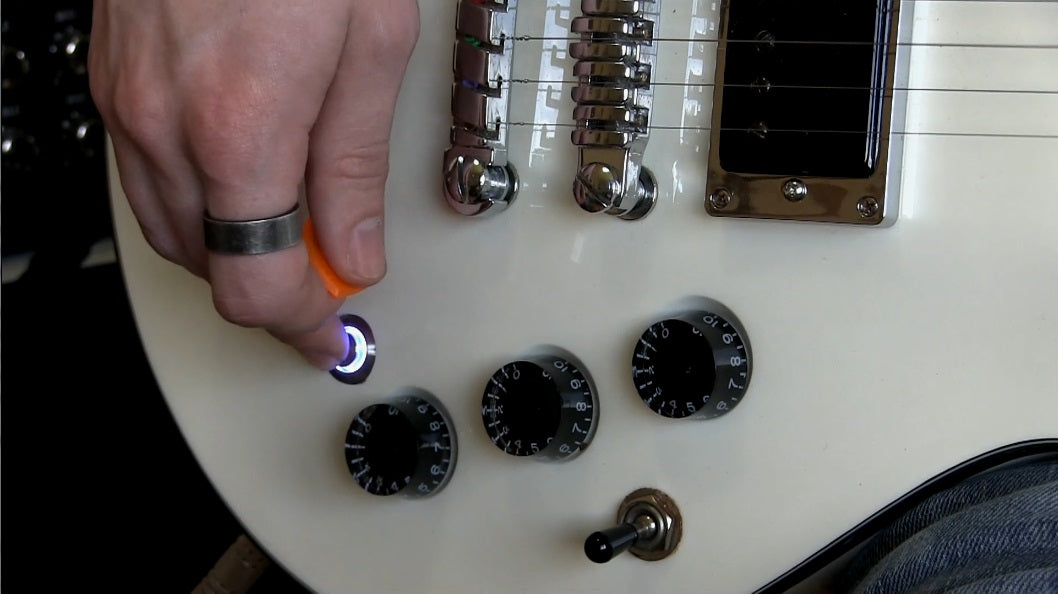

A guitar killswitch is for you if you love sharp, rhythmic mutes, stutter effects, and that on-the-edge energy you hear in modern metal, mathy riffs, and experimental leads.
If you’re expecting a killswitch to magically improve tone or solve wiring issues, this probably isn’t the mod you’re looking for.
This page is a straightforward overview of what a killswitch is, what it does, and why so many respected players use one — with a light, practical path to exploring Iron Age options at the end.
What is a Guitar Kill-Switch?
A guitar kill-switch is a momentary mute button. When you press it, your guitar signal cuts out; when you release it, your sound returns immediately. Players use this to create tight, rhythmic “stutter” effects that can sound like quick on/off bursts or a manual tremolo. It’s simplest to think of it as a performance tool that lets you add controlled silence as part of your playing.

Guitar Killswitches In More Technical Terms
In simple electrical terms, an Iron Age killswitch works by momentarily shorting your guitar’s signal to ground at the output stage. Instead of continuing on to your amp, the signal is briefly diverted to ground, which creates an immediate, clean mute.
You can think of it like a temporary “dump route” for your signal: the moment you press the switch, the normal path is interrupted and the signal is safely sent away from the output. This is a common, well-established approach in guitar electronics and is designed to be safe for your pickups and components when used as intended.

Before Guitar Kill Switches
We introduced our modern LED killswitch design in 2015, before this style of mod became as common as it is today. Before dedicated killswitches like these, players who wanted the effect often relied on simpler, less integrated solutions — external kill-switch boxes, improvised wiring, or even using a pedal to achieve quick mutes.
An even older workaround was popular on guitars with two pickups and independent volume controls, especially Les Paul-style setups. Players would turn one pickup’s volume up, roll the other all the way down, and then flip the selector back and forth to create a manual “kill” effect. It works, but it’s not as fast or precise as a dedicated button that gives you an instant mute while keeping your full setup ready to go.

Here are a few well-known players who’ve made killswitch technique part of their sound.
Notable Guitarists Who Use A Guitar Kill switch
Killswitches aren’t just a niche mod — they’ve been part of real, recognizable guitar vocabulary for decades. What’s cool is how differently players use the same simple tool: some for tight rhythmic punctuation, others for full-on sound design. This section isn’t about copying anyone note-for-note. It’s here to show you the range of what’s possible when a killswitch becomes part of your technique and songwriting.
Eddie Van Halen
Eddie Van Halen is one of the most iconic early adopters of the killswitch-style effect in a modern context. His approach wasn’t about gimmicks — it was about control, timing, and musical punctuation. That influence helped normalize the idea of an onboard mute button as a real performance tool. Some of his guitars (and guitars inspired by his designs) have helped keep that concept in the mainstream.

Tom Morello
Tom Morello is known for turning the guitar into a broader sonic instrument, and the killswitch effect fits perfectly into that mindset. He often uses quick, deliberate mutes to create rhythmic patterns that feel closer to turntable cuts or electronic stutters. The result is less “effect for effect’s sake” and more a compositional tool. If you like percussive, riff-driven textures, his use is a great reference point.

Jonny Greenwood
Jonny Greenwood has been associated with killswitch-style techniques as part of his experimental toolkit. In his world, it’s not always about obvious stutter effects — sometimes it’s about tension, abrupt contrast, or a jarring cut that reshapes the feel of a part. That subtlety is a good reminder that a killswitch can be musical even when it’s used sparingly. It’s another way to expand dynamics without changing your core tone.

John 5
John 5 brings a precision-heavy, performance-focused angle to the killswitch effect. His style leans into fast, controlled bursts that complement tight picking and high-energy phrasing. The killswitch becomes part of the rhythm rather than something layered on top of it. If you’re into technical playing that still feels theatrical and punchy, his approach shows how clean and intentional the effect can sound.

Buckethead
Buckethead is one of the clearest examples of a killswitch as a true creative voice. He uses it for everything from aggressive rhythmic chopping to eerie, synth-like textures created purely by hand timing. The effect often feels like part of the melody or environment rather than a separate trick. If you want proof that a simple mute switch can open up huge creative space, he’s the gold standard.
Berried Alive (Charles Caswell)
Charles Caswell of Berried Alive uses killswitch textures as a modern, high-velocity writing tool. In his hands, the effect becomes a punctuation mark in complex riffs and rapid transitions, not just a standalone stunt. It pairs naturally with the hyper-precise, rhythmic style that defines a lot of contemporary heavy guitar. This is a great example of how a killswitch can feel like a core part of your sound when it’s integrated thoughtfully.
Overview
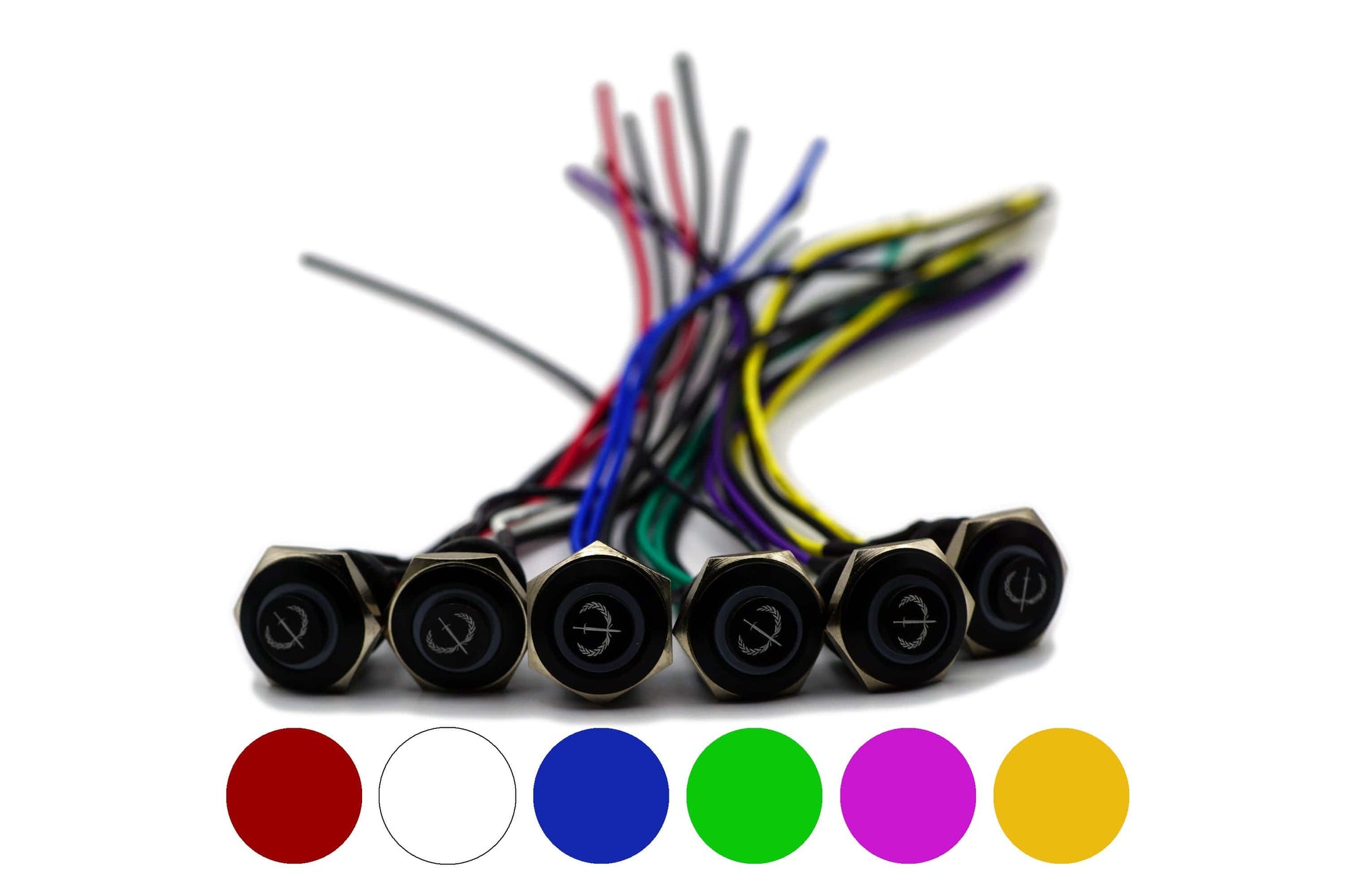
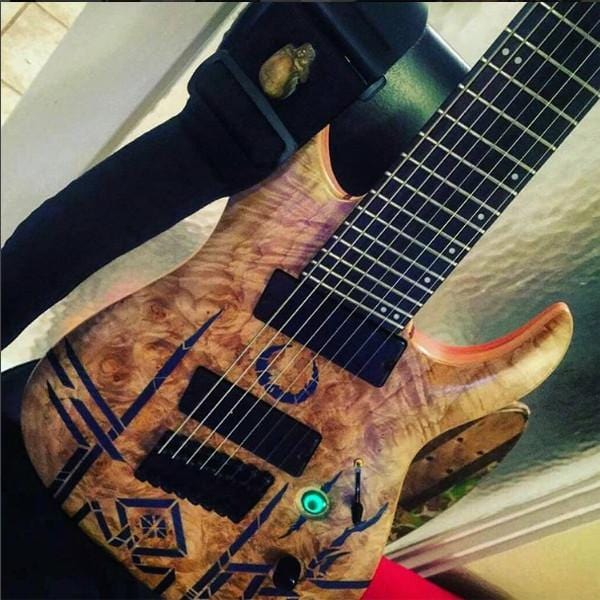
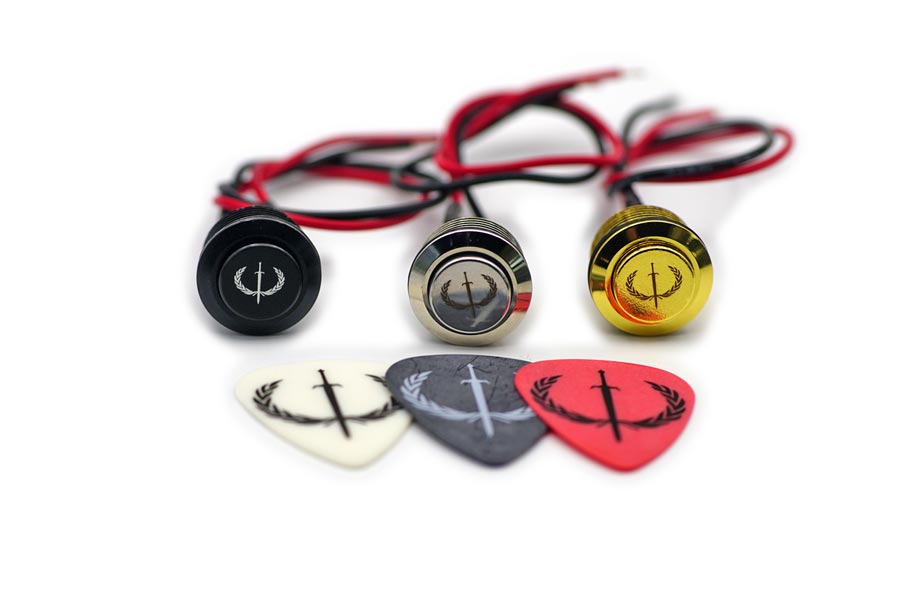
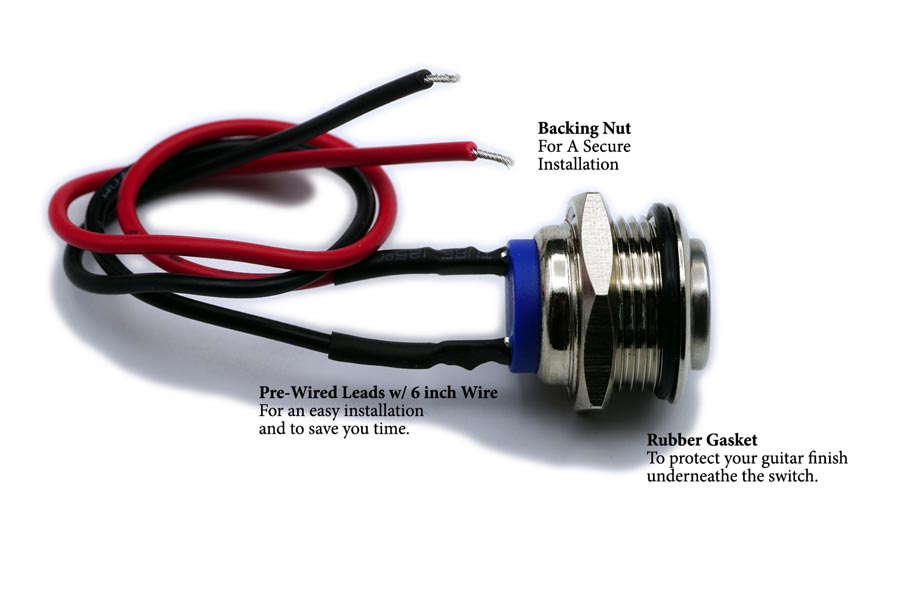
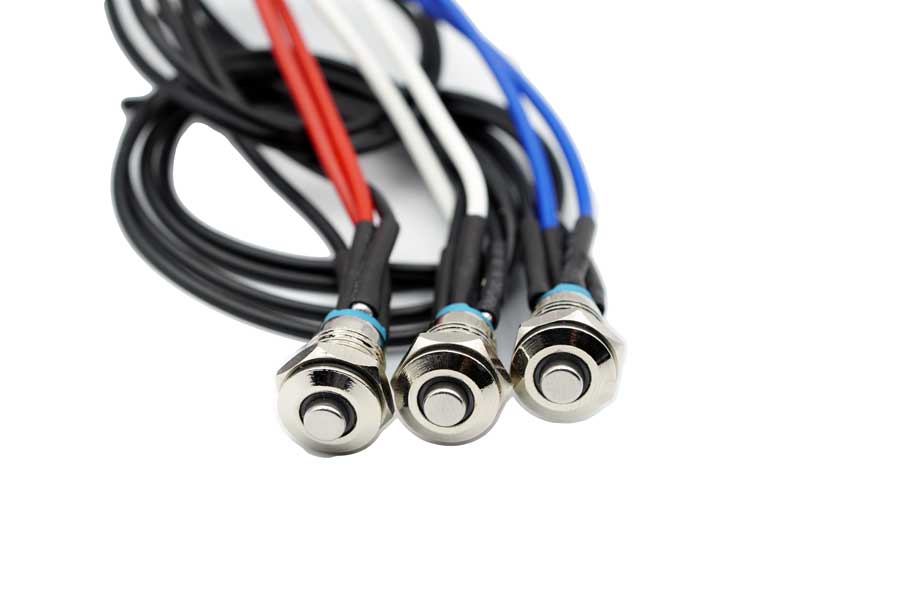
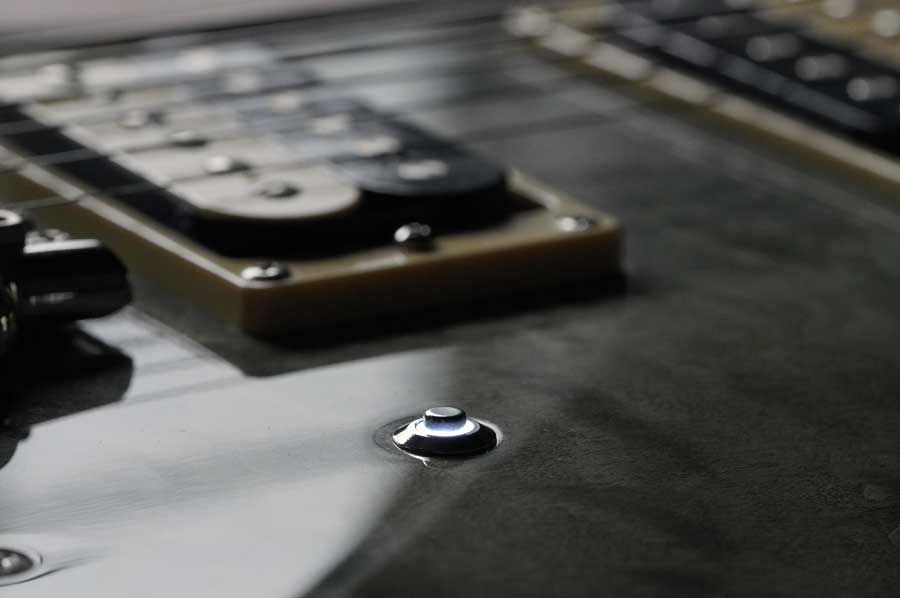
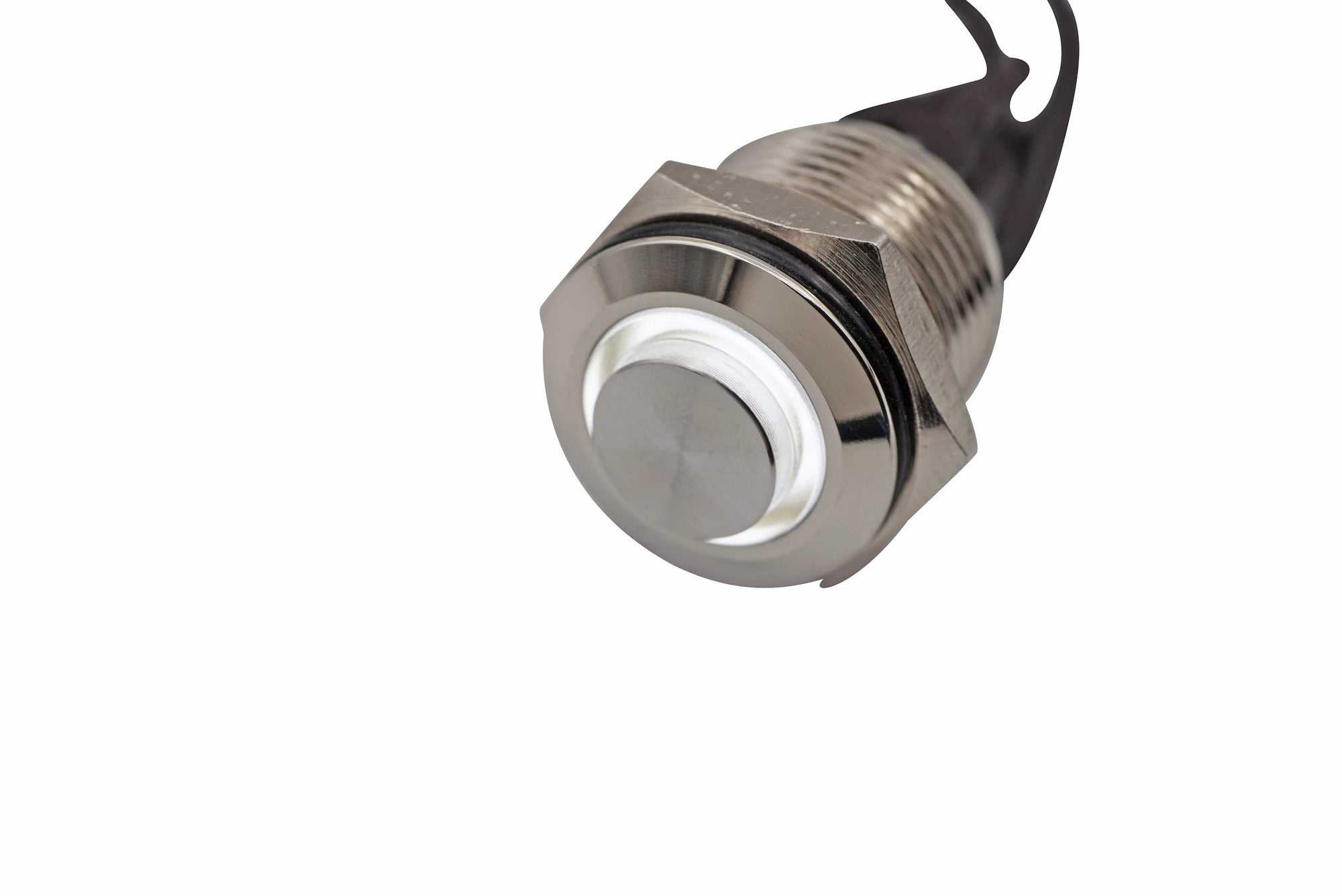
A killswitch isn’t for everyone, but if you like rhythmic mutes, stutter effects, or sharper control over silence, it can add a whole new dimension to your playing. If you’re curious, you’ll find a range of Iron Age options listed below. Choose an LED model if you want visual flair, or go with a non-LED or mini option for a cleaner, more understated setup.








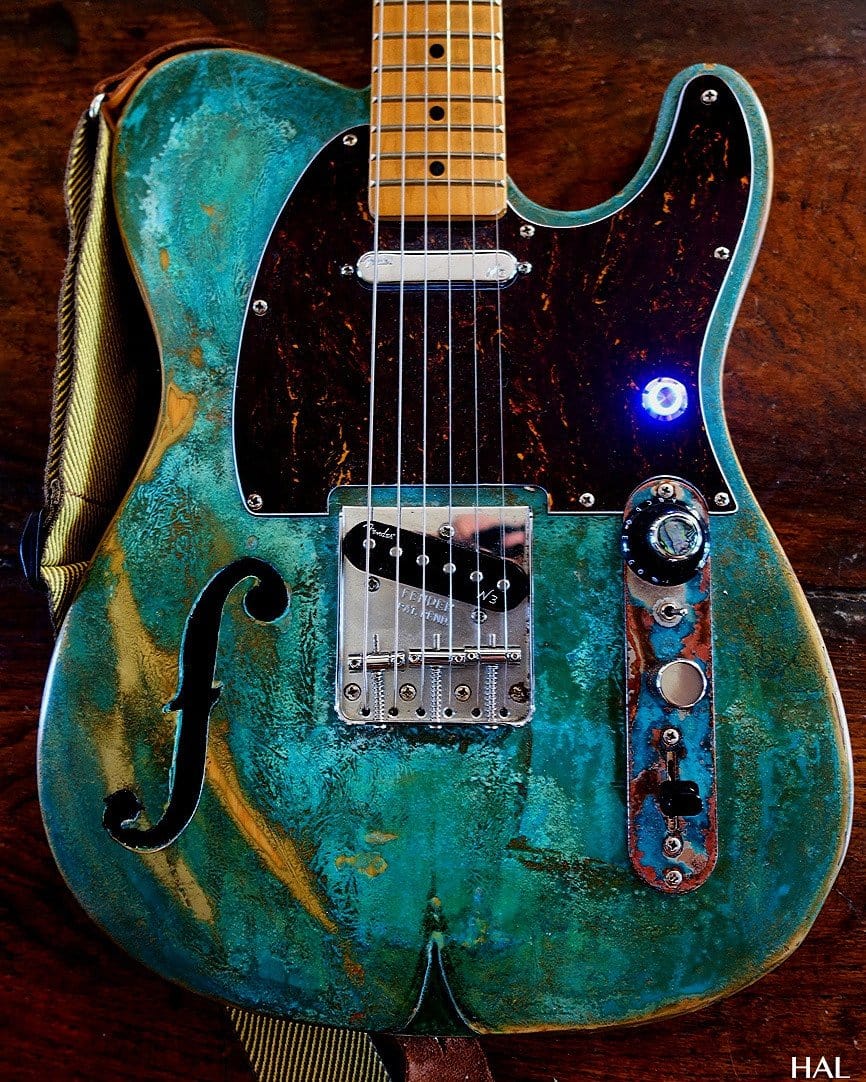


Killswitch Resource Hub:
If you’re bouncing between installs, troubleshooting, and LED power options, this quick hub keeps everything connected in one place.
| Resource | What you’ll find there |
|---|---|
| Shop Kill-Switches | Current Iron Age models, options, and ordering info. |
| How To Install | Your core install page for standard wiring and installation videos. |
| F.A.Q. #1 | Most common install questions and fast fixes. |
| F.A.Q. #2 | Less common scenarios, compatibility notes, and deeper troubleshooting. |
| EMG/Fluence Install | The universal, beginner-friendly “jack-first” guide for active pickup anxiety. |
| LED Voltage Guide | Full resistor/voltage breakdown for 9V, 18V, 24V, and more. |
| Killswitch Basics | A simple overview of what a killswitch is, what it does, and how players use it. |